

















책 이미지

eBook 미리보기
책 정보
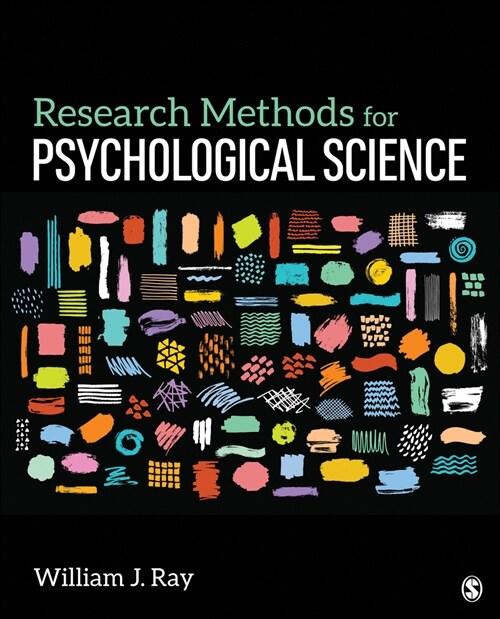
· 제목 : Methods Toward a Science of Behavior and Experience (Paperback)
· 분류 : 외국도서 > 인문/사회 > 심리학 > 연구/방법론
· ISBN : 9780495007043
· 쪽수 : 480쪽
· 출판일 : 2006-01-01
· 분류 : 외국도서 > 인문/사회 > 심리학 > 연구/방법론
· ISBN : 9780495007043
· 쪽수 : 480쪽
· 출판일 : 2006-01-01
책 소개
Rays unique philosophy of science approach focuses on two major goals: introducing students to the basics of science and to the spirit that motivates many scientists, and helping students make the tra...
Ray's unique philosophy of science approach focuses on two major goals: introducing students to the basics of science and to the spirit that motivates many scientists, and helping students make the transition from outside observer of science to active participant. In meeting those goals, he has written a highly readable book that students are able to learn from, and that offers them a greater understanding of the techniques of science as well as the experience of doing science.
Ray's unique philosophy of science approach focuses on two major goals: introducing students to the basics of science and to the spirit that motivates many scientists, and helping students make the transition from outside observer of science to active participant. In meeting those goals, he has written a highly readable book that students are able to learn from, and that offers them a greater understanding of the techniques of science as well as the experience of doing science.
Ray's unique philosophy of science approach focuses on two major goals: introducing students to the basics of science and to the spirit that motivates many scientists, and helping students make the transition from outside observer of science to active participant. In meeting those goals, he has written a highly readable book that students are able to learn from, and that offers them a greater understanding of the techniques of science as well as the experience of doing science.
목차
** Contents
1. What is Science?
2. Introduction to the Methods of Science.
3. Developing the Hypothesis.
4. Description of Behavior Through Numerical Representation.
5. Inferential Statistics: Making Statistical Decisions.
6. Testing the Hypothesis: A Conceptual Introduction.
7. Control: The Keystone of the Experimental Method.
8. Applying the Logic of Experimentation: Between-Subjects Designs.
9. Extending the Logic of Experimentation: Within-Subjects and Matched-Subjects Approaches.
10. The Ecology of the Experiment: The Scientist and Subject in Relation to Their Environment.
11. Quasi-Experimental, Correlational, and Naturalistic Observation Designs.
12. Single Subject Designs.
13. Questionnaires. Survey Research. And Sampling.
14. Ethics.
15. Sharing the Results.
16. Beyond Method.
*Appendix A: Guidelines to Reduce Biased Language in Scientific Writing.
*Appendix B: Printed Article.
*Appendix C: Article Manuscript.
*Appendix D: Tables.