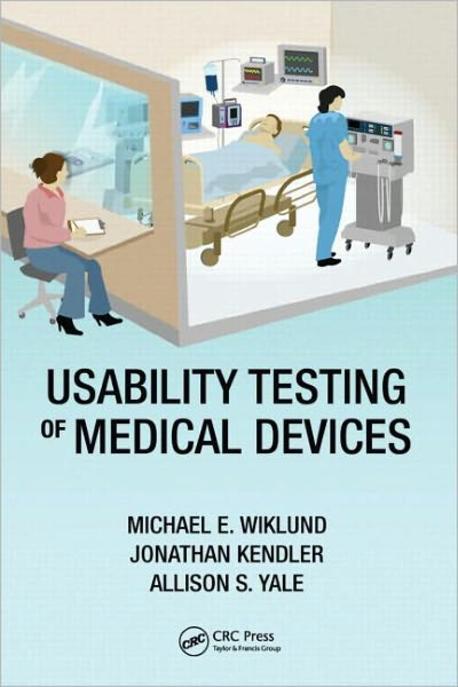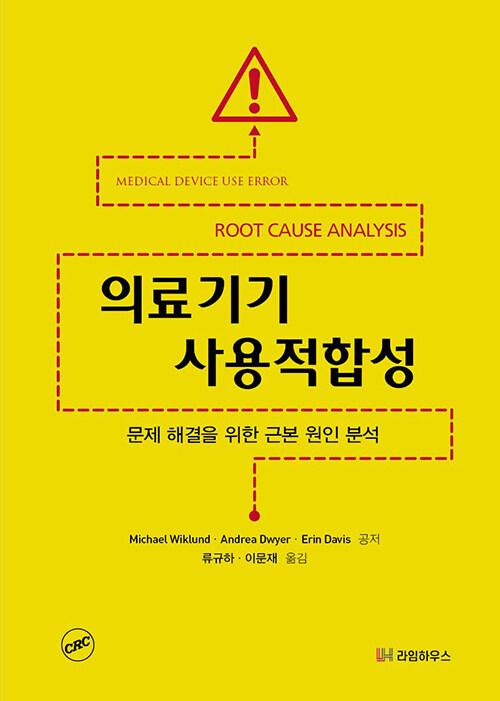


















책 이미지

책 정보
· 분류 : 외국도서 > 의학 > 생명공학
· ISBN : 9781498705790
· 쪽수 : 245쪽
· 출판일 : 2015-12-16
목차
Introduction
Our Root Cause Analysis Process
Introduction
Step 1: Define the Use Error
Step 2: Identify Provisional Root Causes
Step 3: Analyze Anecdotal Evidence
Step 4: Inspect Device for User Interface Design Flaws
Step 5: Consider Other Contributing Factors
Step 6: Develop a Final Hypothesis
Step 7: Report the Results
Next Steps
The Regulatory Imperative to Perform Root Cause Analysis
FDA Regulations
European Union Regulations
Other Regulators
Applicable Standards and Guidelines
U.S. Food and Drug Administration (Silver Spring, Maryland USA)
Draft Guidance for Industry and Food and Drug Administration Staff - Applying Human Factors and Usability Engineering to Optimize Medical Device Design, Issued on June 22, 2011
International Standards Organization (Geneva, Switzerland)
ISO 13485:2003 Medical devices -- Quality management systems -- Requirements for regulatory purposes
International Standard Organization (Geneva, Switzerland)
ISO 14971:2007 Medical devices -- Application of risk management to medical devices
International Electrotechnical Commission (Geneva, Switzerland)
IEC 60601-1-6 Medical electrical equipment ? Part 1-6: General requirements for basic safety and essential performance ? Collateral standard: Usability
International Electrotechnical Commission (Geneva, Switzerland)
IEC 62366-1:2015 Medical devices -- Part 1: Application of usability engineering to medical devices
Summary
The Language of Risk and Root Cause Analysis
Introduction
Risk analysis
Harm
Hazard
Hazardous situation
Intended use
Use error
Likelihood
Severity
Risk
Risk evaluation
Risk control
Residual risk
Types of Use Errors
Perception, Cognition, and Action Errors
Slips, Lapses, and Mistakes
Errors of Commission and Omission
Safety-Related and Non-Safety-Related Use Errors
Detecting Use Errors
Detecting Use Errors during Usability Tests
Detecting Use Errors during Clinical Studies
Detecting Use Errors during the Device’s Life Cycle
Interviewing Users to Determine Root Causes
Introduction
Interview Timing
Interviewing Participants during Formative Usability Tests
Interviewing Participants during Summative Usability Tests
Interview Tips
Perils of Blaming Users for Use Errors
Don’t Blame the User
Reporting Test Artifacts as a Root Cause of Use Error
User Interface Design Flaws That Can Lead to Use Error
Introduction
General User Interface Design Flaw Examples
Hardware User Interface Design Flaw Examples
Software User Interface Design Flaw Examples
Document User Interface Design Flaw Examples
Packaging User Interface Design Flaw Examples
Reporting Root Causes of Medical Device Use Error
Introduction
Residual Risk Analysis
Presenting the Results of a Residual Risk Analysis
Root Cause Analysis Examples
About the root cause analysis examples
Insulin Pen Injector
Drug Bottle
Automated External Defibrillator (AED)
Handheld Tonometer
Lancing Device
Transdermal Patch
Electronic Health Record (EHR)
Syringe Infusion Pump
Surgical Warming Blanket
Urinary Catheter
Hemodialysis Machine
Ultrasonic Nebulizer
Ventricular Assist Device (VAD)
Autoinjector
Stretcher
Smartphone Application: Insulin Bolus Calculator
Naloxone Nasal Spray
Enteral Feeding Pump
Metered Dose Inhaler
Drug Patch Pump
Patient Monitor
Jet Nebulizer
Syringe
Electrosurgical Generator and Handpiece
Large-Volume Infusion Pump
Hospital Bed
Pen Injector
Blood Gas Analyzer
Dialysis Solution Bag
Ultrasound Scanner
Guide to Designing an Error-Resistant User Interface
Introduction
Perceptions
Text Readability
Pushbutton Feedback
Component Visibility
Cognition
Action
"Undo" Control
Data Entry
Protection against Inadvertent Actuation
Instructional Content and Format
Package Design
Other Root Cause Analysis Methods
Introduction
The 5 Whys
Ishikawa Diagramming
AcciMap
The Joint Commission’s Framework for Conducting a Root Cause Analysis
UPCARE Model
Matrix Diagrams
Critical Decision Method (CDM)
Systems-Theoretic Accident Model and Processes (STAMP)
The Human Factors Analysis and Classification System (HFACS)
Event Analysis for Systemic Teamwork (EAST)
Resources
Books
Articles and Reports
US Food and Drug Administration (FDA) Publications
Standards
Websites