





















책 이미지

책 정보
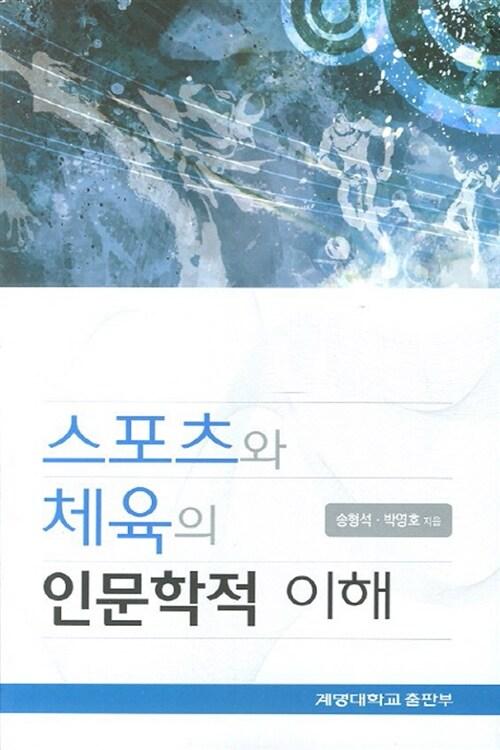
· 분류 : 국내도서 > 대학교재/전문서적 > 예체능계열 > 체육
· ISBN : 9788962065961
· 쪽수 : 406쪽
· 출판일 : 2026-06-22
목차
Preface
PART 1. The Cultural and Historical Identity of Taekwondo / 13
I. Culture as the Artificial Transformation of Nature ·· 15
1. The Polysemy of the Concept of Culture ············································· 15
2. The Dual Character of Nature and the Classification of Culture ······ 25
3. Modes of Transforming Nature in the East and the West ················ 32
4. A Comparison of Western and Eastern Physical Culture: Sports and Martial Arts ···· 40
5. The Cultural Identity of Taekwondo ······················································ 45
II. Taekwondo as a Traditional Korean Martial Art ···· 47
1. The Historical Debate over Taekwondo ················································ 47
2. The Concepts and Conditions of "Tradition" ········································· 52
3. The Criteria for Traditional Martial Arts ················································· 57
4. Taekwondo as a Traditional Korean Martial Art ··································· 62
5. Conclusion of the Debate ········································································ 68
III. What is Taekwondo? ················································· 71
1. Reconstructing the Definition of Taekwondo ······································ 72
2. Self-Defense and Self-Realization ······················································· 76
3. Empty-Hand Defensive and Offensive Techniques Specialized in Kicking ··· 83
4. Suryeon (Cultivation / Practice) ······························································ 89
5. Martial Arts Sport ······················································································ 93
[Supplement] The Origins of the Names "Taekwondo" and "Taekkyeon" ·· 98
IV. Traditional Korean Unarmed Martial Arts ··········· 101
1. Subak: The Unarmed Martial Art of Antiquity ···································· 102
2. Unarmed Martial Arts of the Goryeo Dynasty: Subak, Subakhui, and Obyeongsubakhui ···· 114
3. Subak in the Early Joseon Dynasty ····················································· 123
4. Gwonbeop in the Mid-Joseon Dynasty ············································· 128
[Supplement] The Muyedobotongji ··························································· 137
5. Taekkyeon: The Unarmed Martial Art Since the 18th Century ······· 140
PART 2. Korean Culture Imbued in Taekwondo / 151
V. Taekwondo Dobok and Hanbok ······························· 153
1. The Tradition of the "White-Clad People" ·········································· 154
2. The Origins and Development of Hanbok ·········································· 160
3. The Science and Aesthetics of Hanbok ·············································· 164
4. The Emergence and Development of the Taekwondo Dobok ······· 167
5. The Evolution of Taekwondo Competition Uniforms ······················· 172
VI. The Theory of Yin-Yang and the Five Elements Embodied in Belt Colors ····· 179
1. The Origins and Functions of the Martial Arts Belt ·························· 180
2. The Five Belt Colors and the Theory of Yin-Yang and the Five Elements ······· 185
3. Application of Yin-Yang and the Five Elements in Daily Korean Life ··· 192
4. Belt Colors and the Hierarchical System in Taekwondo ·················· 198
5. How to Tie the Taekwondo Belt ·························································· 201
VII. Kukkiwon Clothed in Hanok (Traditional Korean House) ············· 203
1. The Background of Kukkiwon's Establishment ································· 203
2. Core Projects and Objectives of Kukkiwon ········································ 210
3. The Aesthetics of Hanok ······································································· 214
4. The Science of Hanok ············································································ 218
VIII. Dojang - What Kind of Place is It? ······················· 221
1. Dojang as a Sanctuary for Enlightenment and Practice ·················· 221
2. The Three Faces of Taekwondo Dojangs in Reality ························· 227
3. The Crisis of Modern Dojangs - Conflict Between Extrinsic and Intrinsic Goods ···· 230
4. Harmony of Function and Value - The Wisdom of Munmu-gyeomjeon (Mastery of Both the Literary and Martial) ····· 232
5. Dojang - A Space Moving from Sul (Technique) to Do (The Way) ·· 235
IX. Sabum (Master) - From Technique Instructor to Life Guide ··········· 237
1. The Etymology and Modern Meaning of Sabum ······························· 237
2. The Traditional Images of a Teacher ··················································· 241
3. The Modern Images of an Educator ···················································· 244
4. The Dual Identity of the Sabum ··························································· 246
5. The Future-Oriented Image of the Sabum ········································ 249
[Supplement] Virtues of a Taekwondo Sabum ········································ 251
X. Taekwondo and Traditional Korean Etiquette ······ 257
1. The Traditional Korean Society that Valued Ye-ui (Propriety) ········ 257
2. Ye-ui (Propriety) and Ye-jeol (Etiquette) ··········································· 265
3. Traditional Korean Etiquette ································································· 270
4. Etiquette for Martial Arts Practitioners vs. the General Public ······· 280
5. Etiquette in Taekwondo ········································································ 287
XI. Taekwondo Poom/Dan Promotion Test as a Ritual ·· 295
1. Meaning and Function of Ritual ··························································· 295
2. Rituals in Traditional Korean Society ··················································· 299
3. Taekwondo Promotion Test as a Rite of Passage ···························· 301
4. Current Status of Taekwondo Promotion Test and the Lack of Ritualistic Character ····· 303
5. Recovery of Rituality and Institutional Improvement ······················· 309
PART 3. The Spirit of Taekwondo, Hallyu, and Globalization / 315
XII. Traditional Korean Thought Embedded in the
Taekwondo Spirit ··················································· 317
1. The Meaning of the Taekwondo Spirit ················································ 317
2. Functions of the Taekwondo Spirit ······················································ 322
3. The Taekwondo Spirit - Geukgi (Overcoming Oneself) ·················· 325
4. The Taekwondo Spirit - Hongik (Benefiting Mankind Widely) ······· 331
5. Korean Thought Pervading the Taekwondo Spirit ···························· 335
XIII. Taekwondo as the Original Hallyu ····················· 341
1. The Rise of Soft Diplomacy ·································································· 341
2. Private-led Taekwondo Soft Diplomacy (1950s–1970s) ················· 346
3. Government-led Taekwondo Soft Diplomacy (1970s–Present) ···· 352
4. Challenges of Soft Diplomacy Through Taekwondo ························ 356
XIV. The Uniqueness of Taekwondo and Its Success in Globalization ····· 359
1. Introduction ····························································································· 359
2. Invasion Biology as a Theoretical Background ·································· 364
3. Cultural Interpretation of Biological Characteristics ························· 369
4. The Distinctiveness and Requisite Variety of Taekwondo ·············· 375
5. Conclusion ······························································································· 389
References ······································································ 392
Appendix: Glossary of Classical Korean Texts ············ 402
About the Author ··························································· 404