






















책 이미지

책 정보
· 분류 : 국내도서 > 사회과학 > 사회학 > 사회학 일반
· ISBN : 9791159018015
· 쪽수 : 148쪽
· 출판일 : 2020-10-26
목차
Preface 5
The Prospect of the Legal Infrastructure for the Korea-Russia Trade: Focusing on the Arctic Sea Route Cooperation
Bongchul Kim & Ho Kim 13
Demographic characteristics of the Arctic Region in Russia:
Population and Migration Trend Analysis
Wooik Choi 47
The Landscape of Deconstruction:
Visual Representations of the Arctic in Contemporary Russian Cinema
Seungdo Ra 87
The Policies for the Indigenous Minority Peoples in Russia
Bongchul Kim & Minkyung Shin 115
저자소개




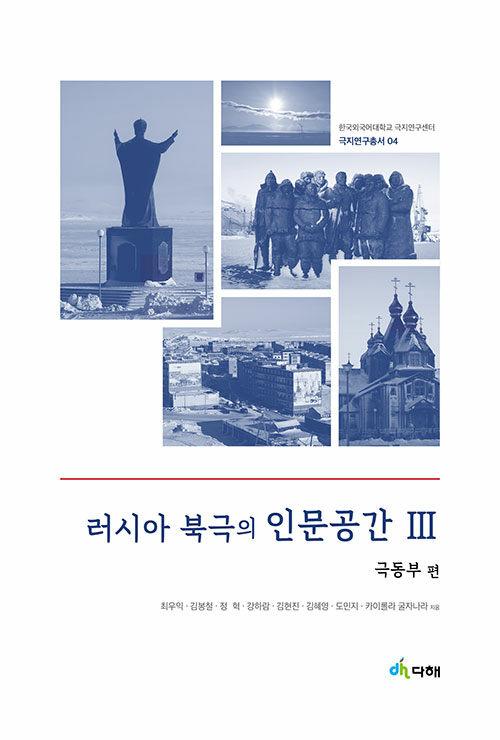
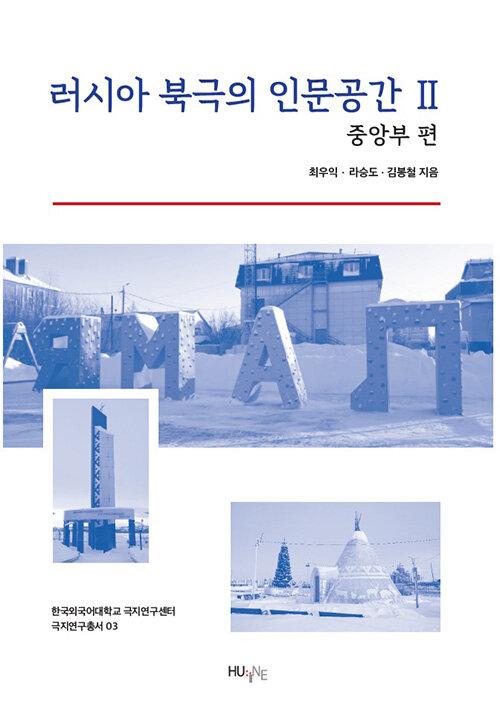
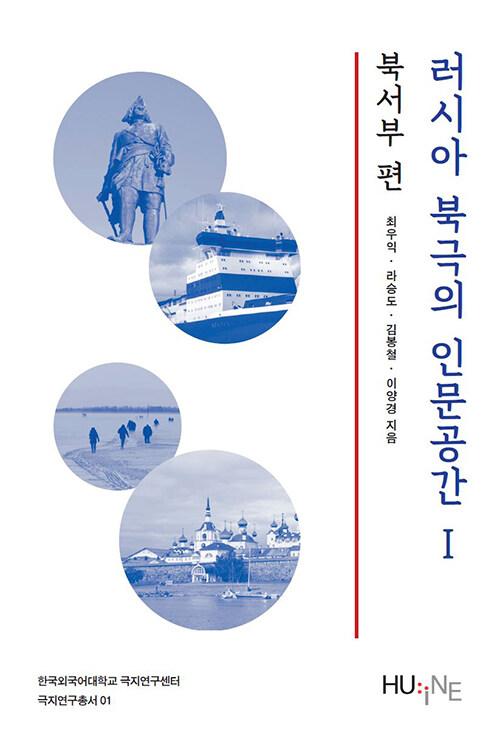
책속에서
The Prospect of the Legal Infrastructure for the Korea-Russia Trade:
Focusing on the Arctic Sea Route Cooperation
Bongchul Kim & Ho Kim
I. Introduction
The Arctic Circle area has long remained beyond human power. Nevertheless, the potential for development is growing due to environmental changes: such as the global warming. Meanwhile, Russia, which is most close to the Circle, is actively delivering a number of projects to develop new routes as well as oil and gas resources in the region. The country still continues to take aggressive measures, including the plan to set up the so-called “Ministry for the Development of the Russian Far East and Arctic” as in the federal level. (Staalesen 2019)
This situation is affected by the globalization of the international economy, and the communities are also connected to many variables. In fact, the Arctic communities of Russia are undergoing a variety of changes to date due to industrial development, and it is facing difficult challenges as well. The development and the influx of modern civilization are causing changes accordingly, in the natural environment and traditional culture which bring direct impact on the minority indigenous people within the region, and are triggering crises in their way of survival. The international community is seeking for sustainable development methods that involve considerable attention and effort to preserve the Arctic Circle. (Zadorin, Klisheva, Vezhlivtseva & Antufieva 2017, 4-5)
Seeing through the history, the earnest economic cooperation between Korea and Russia began in the early 1990s, along with changes in diplomatic ties and systems with the former Soviet Union. Currently, two countries are constantly developing the situation to share economic benefits through joint projects for resource development and explore diverse economic cooperation methods, not only staying within a simple commodity trade. In particular, as Russian federal government imply economic significance to Far East-Siberian region, attempt to provide support and development in this area could also be a major turning point for Korea-Russia economic cooperation.
Due to global warming, the possibility of developing Arctic shipping routes has become realistic as glaciers in the Arctic have gone smaller. Accordingly, as the interest for Korean companies has rapidly increased, the related research targets are also converging on the development of the shipping routes and the establishment of global logistics networks. Researches regarding development and utilization of the Russian Arctic Circle and its resources, and expansion of Arctic routes and logistics routes are already underway in Korea. This trend is accelerating, especially in conjunction with Korean government’s ‘New Northern Policy.’ Nevertheless, so far most of the domestic research achievements are short-term proposals, taking into account policies and political situations of the countries.
International legislation related to the development of the Arctic Circle has steadily expanded its scope of discipline. Russia has a duty to respect and abide by international law regarding the development of the area. At the same time, the Russian government is also showing signs of strengthening domestic legal discipline based on the standards of international law. However, the country still sometimes offers different opinions from the international community’s concern related to the development of the region after the economic sanctions and fails to avoid conflicts with other countries in terms of policies and institutions.
In this context, in order to expand exchanges between Korea and Russia related to the development of the area, it is essential to look at the conflict of the system from a legal point of view. It is of interest to establish a new bilateral normative system to avoid confrontations, which are specified to this issue. This paper looks at international and domestic legal discourses that may be relevant to the development of the Russian Arctic Circle and seeks to derive legal challenges that could be discussed in the future, such as in the Korea-Russia FTA.